Smart Buildings & Intelligent Architecture | Mohas Consultants
Admin
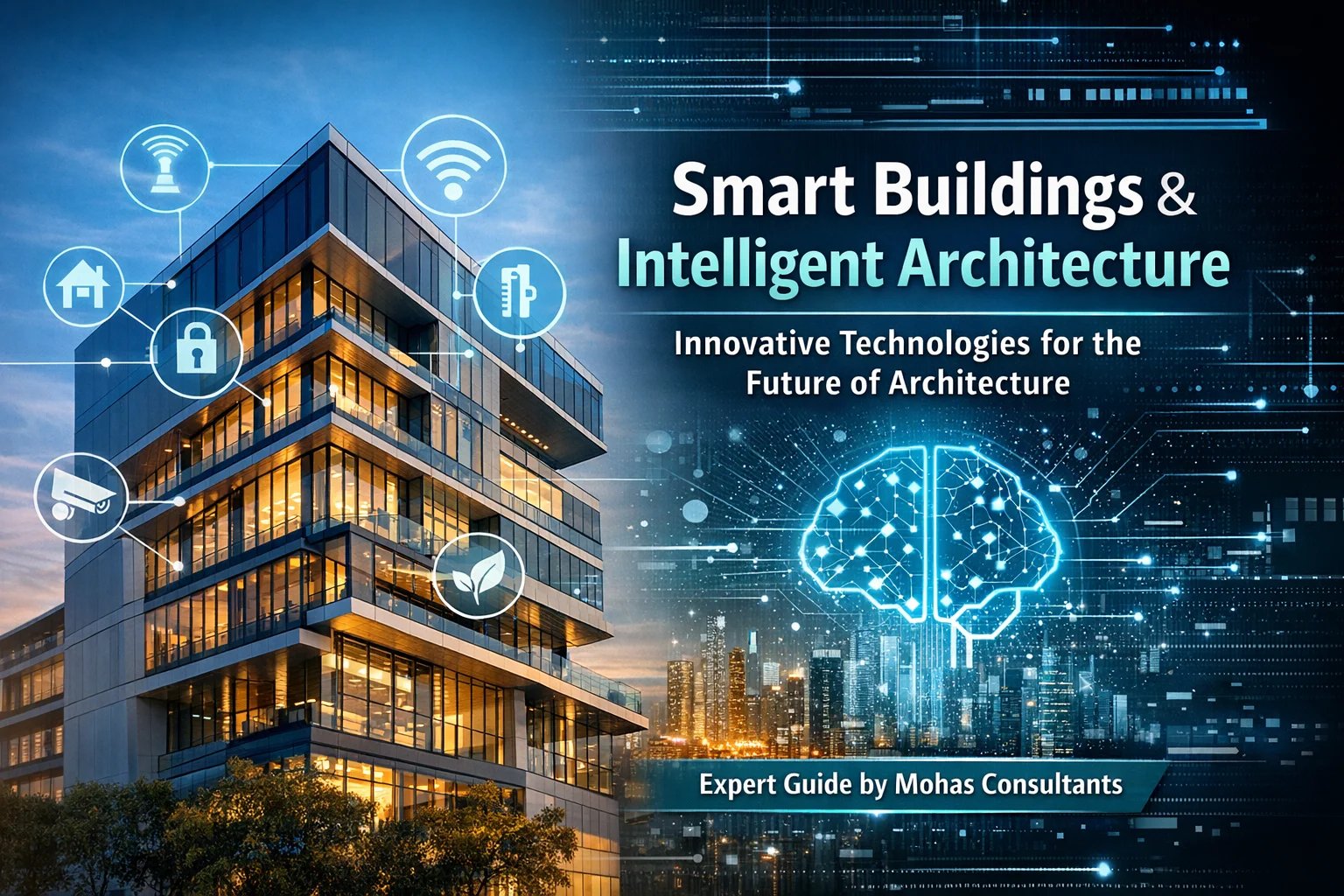
In today’s fast-evolving world, architecture is no longer limited to form and function—it is becoming intelligent, responsive, and data-driven. Smart buildings and intelligent architecture integrate advanced technologies to enhance comfort, efficiency, sustainability, and user experience.
This transformation is redefining how we design, construct, and experience buildings, making smart architecture an essential component of future-ready developments.
What Are Smart Buildings?
Smart buildings use automated systems, sensors, IoT (Internet of Things), AI, and data analytics to monitor, control, and optimize building performance in real time.
These systems manage:
-
Lighting
-
HVAC (Heating, Ventilation & Air Conditioning)
-
Energy consumption
-
Security & surveillance
-
Access control
-
Fire safety
-
Indoor environmental quality
The goal is to create buildings that adapt to user needs, improve efficiency, and reduce operational costs.
What Is Intelligent Architecture?
Intelligent architecture combines smart technology with thoughtful architectural design to create spaces that learn, respond, and evolve. It goes beyond automation, focusing on human-centric, sustainable, and adaptive environments.
Key features include:
-
Climate-responsive building envelopes
-
Smart façade systems
-
Adaptive spatial layouts
-
AI-driven energy management
-
Predictive maintenance systems
Key Components of Smart Buildings
1. Building Management Systems (BMS)
Centralized platforms that control lighting, HVAC, ventilation, and security for optimized performance.
2. Internet of Things (IoT) Sensors
Collect real-time data on temperature, humidity, occupancy, air quality, and energy usage.
3. AI & Data Analytics
Analyze building data to predict behavior, optimize operations, and reduce energy consumption.
4. Smart Lighting Systems
Daylight-responsive lighting with motion sensors to minimize energy waste.
5. Intelligent HVAC Systems
Adaptive climate control based on occupancy, weather, and indoor comfort levels.
6. Automated Security & Access Control
Biometric systems, facial recognition, and smart surveillance improve safety and control.
Benefits of Smart Buildings & Intelligent Architecture
1. Energy Efficiency & Sustainability
Smart buildings reduce energy consumption by 25–40%, lowering carbon footprint and operational costs.
2. Enhanced Comfort & User Experience
Optimized lighting, air quality, and temperature create healthier, more comfortable spaces.
3. Cost Savings
Lower energy bills, predictive maintenance, and efficient operations reduce long-term expenses.
4. Increased Property Value
Smart-enabled buildings attract premium clients and investors.
5. Improved Safety & Security
Real-time monitoring and automated alerts improve occupant safety.
Applications of Intelligent Architecture
-
Smart Homes & Villas
-
Corporate Offices
-
Commercial Complexes
-
Healthcare Facilities
-
Educational Institutions
-
Hotels & Hospitality
-
Industrial Buildings
Role of Architects in Smart Building Design
Architects play a crucial role by:
-
Integrating technology within architectural form
-
Designing efficient building layouts
-
Optimizing natural ventilation & daylight
-
Planning smart service cores
-
Coordinating with MEP & IT specialists
At Mohas Consultants, we focus on design-driven smart architecture, where technology enhances spatial experience without compromising aesthetics.
Smart Buildings in Pakistan – Growing Trend
In Pakistan, the demand for smart homes, corporate offices, and mixed-use developments is rapidly increasing. Cities like Karachi, Lahore,Islamabad and Peshawar are witnessing the integration of automation systems, smart security, and energy-efficient design strategies in residential and commercial projects.
Future of Intelligent Architecture
The future includes:
-
AI-driven design optimization
-
Self-learning building systems
-
Digital twins
-
Smart cities integration
-
Net-zero energy buildings
Intelligent architecture will soon become the new standard rather than a luxury.
Conclusion
Smart buildings and intelligent architecture represent a powerful shift towards efficient, sustainable, and user-focused environments. By merging innovative technology with thoughtful architectural design, we can create buildings that are not just smart—but truly intelligent.
Looking to Build a Smart Home or Smart Commercial Project?
At Mohas Consultants, we specialize in:
✔ Smart Architectural Design
✔ Sustainable Planning
✔ Intelligent Space Solutions
✔ Energy-Efficient Building Systems
📞 Contact us today to transform your vision into a future-ready smart building.
Related Articles
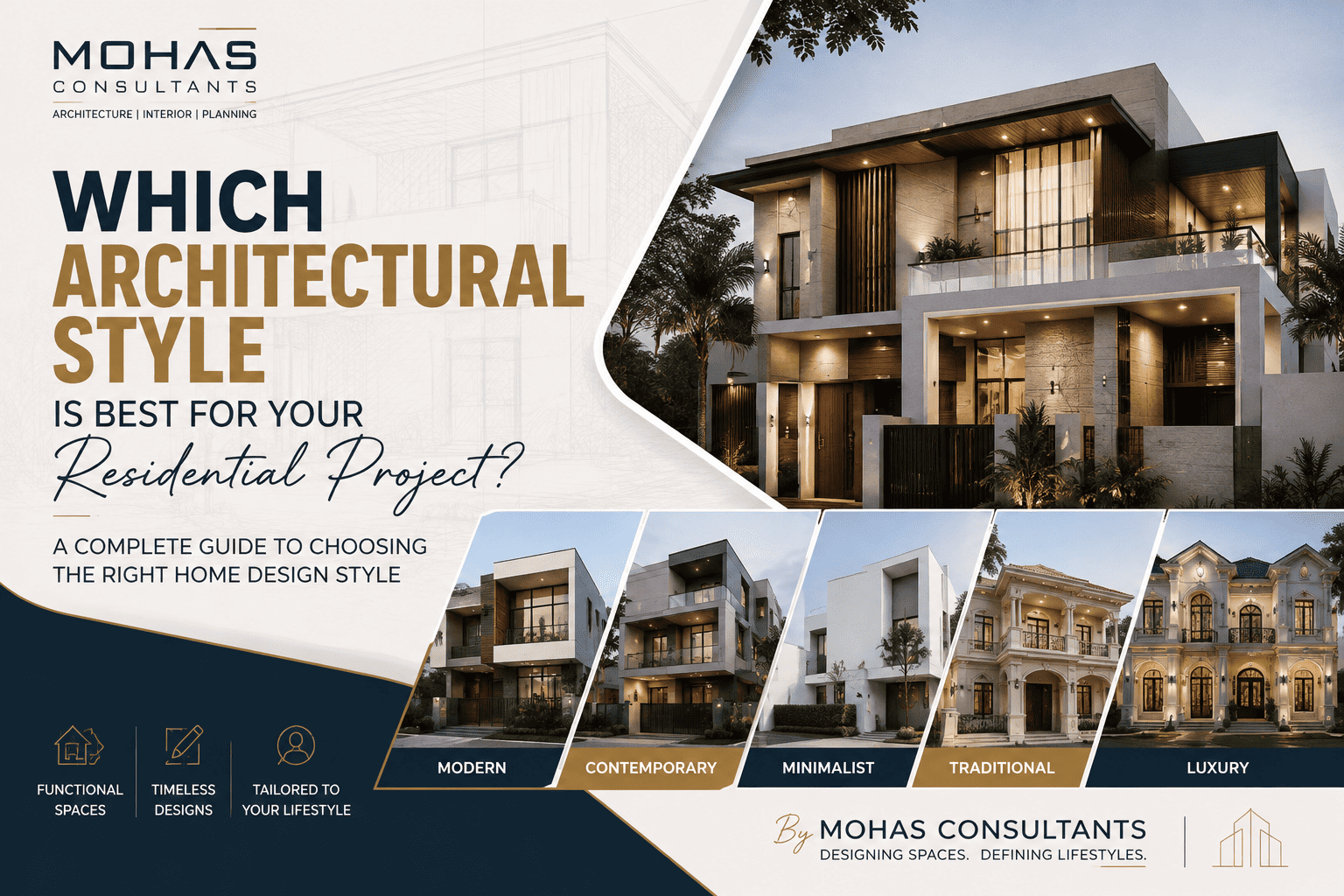
Architecture Trends & Innovations
Which Architectural Style Is Best for Your Residential Project? | Mohas Consultants
Sep 02, 2026

Architecture Trends & Innovations
Old Building Renovation Ideas: Convert Your House into a Modern Contemporary Design (2026) | Mohas Consultants
May 05, 2026
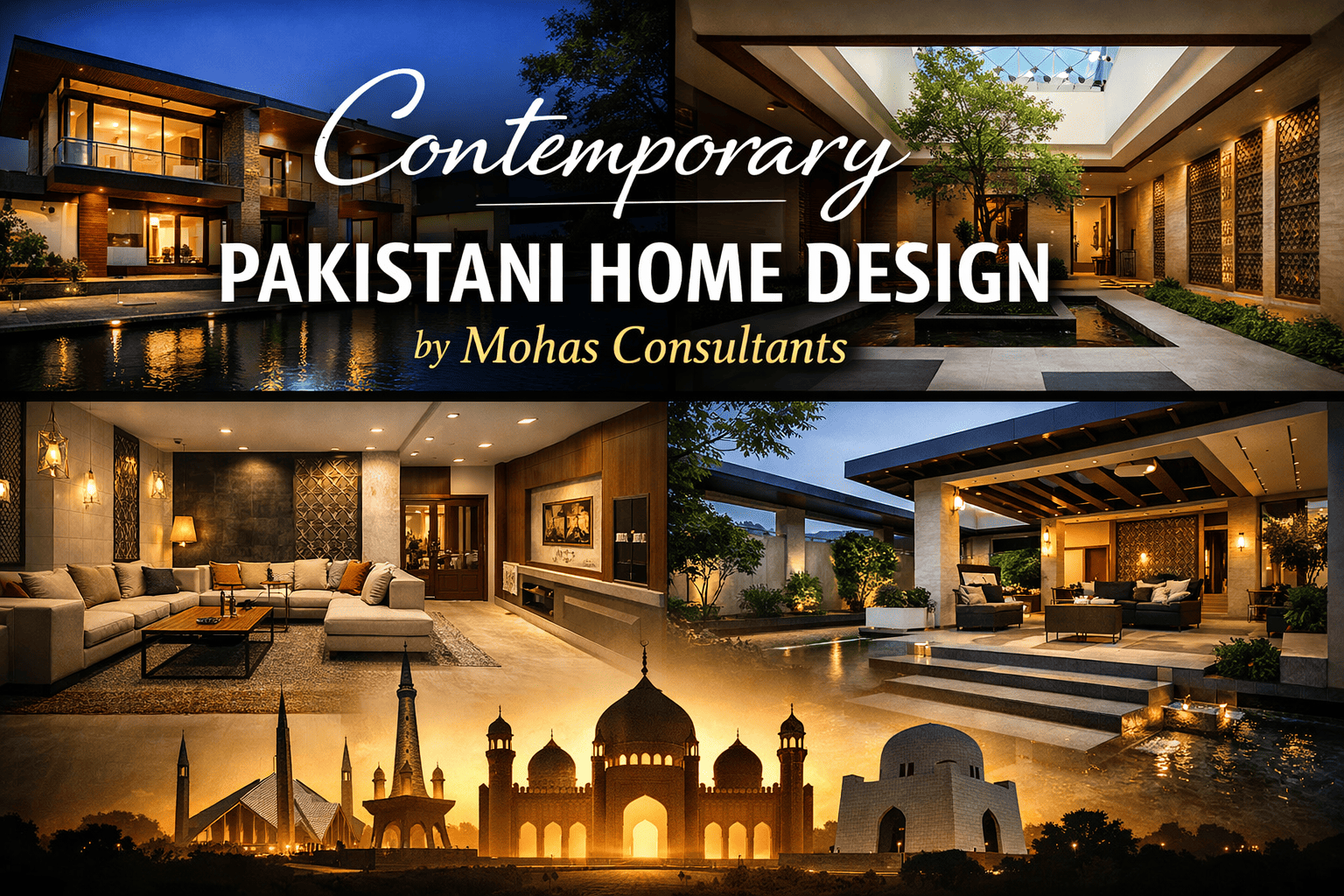
Architecture Trends & Innovations
Contemporary Pakistani Home Design | Mohas Consultants
Mar 12, 2026