Biophilic Design: Nature in Modern Architecture | Mohas Consultants
Admin
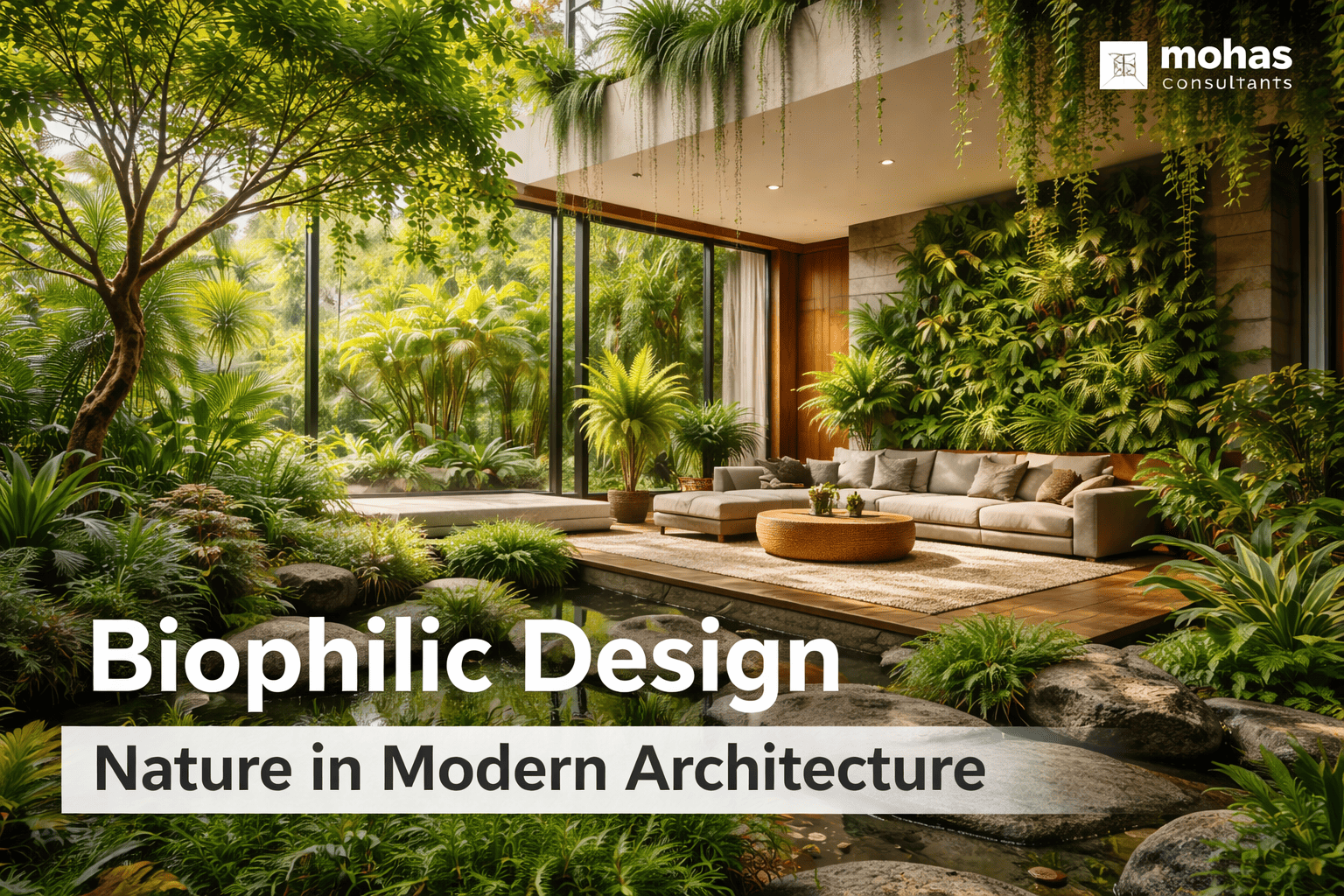
Biophilic Design: How Nature is Transforming Modern Architecture | Mohas Consultants
Introduction
Modern architecture is undergoing a meaningful transformation — one that reconnects people with nature. As urban environments become denser and lifestyles increasingly indoor-focused, architects are rediscovering the importance of natural elements in built spaces.
Biophilic design integrates nature into architecture to enhance wellbeing, improve environmental performance, and create healthier living and working environments. At Mohas Consultants, we incorporate biophilic principles to design spaces that feel calm, breathable, and deeply connected to their surroundings.
The Problem: Disconnection from Nature in Urban Living
Rapid urbanization has reshaped cities but introduced several challenges:
-
Limited access to greenery
-
Increased stress and mental fatigue
-
Poor indoor air quality
-
Overreliance on artificial lighting and mechanical cooling
-
Reduced occupant wellbeing and productivity
Many modern buildings prioritize efficiency and density while neglecting human psychological and biological needs. This disconnect from nature affects both physical comfort and emotional health.
The Solution: Biophilic Design Principles
Biophilic architecture reintroduces natural experiences into buildings through thoughtful planning and design strategies.
1. Natural Light Optimization
Large openings, skylights, and light wells allow daylight to penetrate deep into interiors, reducing energy consumption while improving mood and productivity.
2. Indoor Greenery
Plants, green walls, and indoor gardens purify air, regulate humidity, and create visually soothing environments.
3. Natural Ventilation
Cross ventilation and breathable layouts enhance indoor comfort while minimizing reliance on air conditioning.
4. Connection to Outdoor Spaces
Courtyards, terraces, and transitional spaces blur the boundary between indoor and outdoor environments.
5. Natural Materials & Textures
Materials like wood, brick, stone, and exposed concrete create sensory connections with nature through texture and warmth.
Visual Examples in Modern Architecture
Biophilic design can be applied across residential, commercial, and institutional projects:
-
Homes designed around central courtyards with indoor gardens
-
Offices incorporating living walls and daylight-focused layouts
-
Residences with large shaded openings facing landscaped areas
-
Buildings using water features to enhance cooling and tranquility
-
Minimalist interiors complemented by natural textures and greenery
These elements not only enhance aesthetics but also improve building performance.
Design Tips from Mohas Consultants
If you are planning a biophilic home or workspace, consider these expert recommendations:
✔ Maximize natural daylight without overheating interiors
✔ Introduce plants at multiple spatial levels
✔ Use locally sourced natural materials
✔ Create visual connections to outdoor landscapes
✔ Integrate shaded semi-open spaces like verandas
✔ Design for airflow and seasonal adaptability
✔ Combine water features with passive cooling strategies
Small design decisions can create significant improvements in comfort and wellbeing.
Conclusion
Biophilic design represents the future of architecture — where sustainability, human health, and aesthetics work together. By reconnecting buildings with nature, architects can create spaces that are not only energy-efficient but also emotionally enriching.
At Mohas Consultants, we believe architecture should nurture both people and the environment. Our biophilic design approach delivers spaces that promote wellness, sustainability, and timeless architectural value.
Call to Action (CTA)
Ready to design a space inspired by nature?
Mohas Consultants specializes in biophilic, climate-responsive, and sustainable architectural solutions tailored for modern lifestyles.
📞 Contact us today for a design consultation
Related Articles
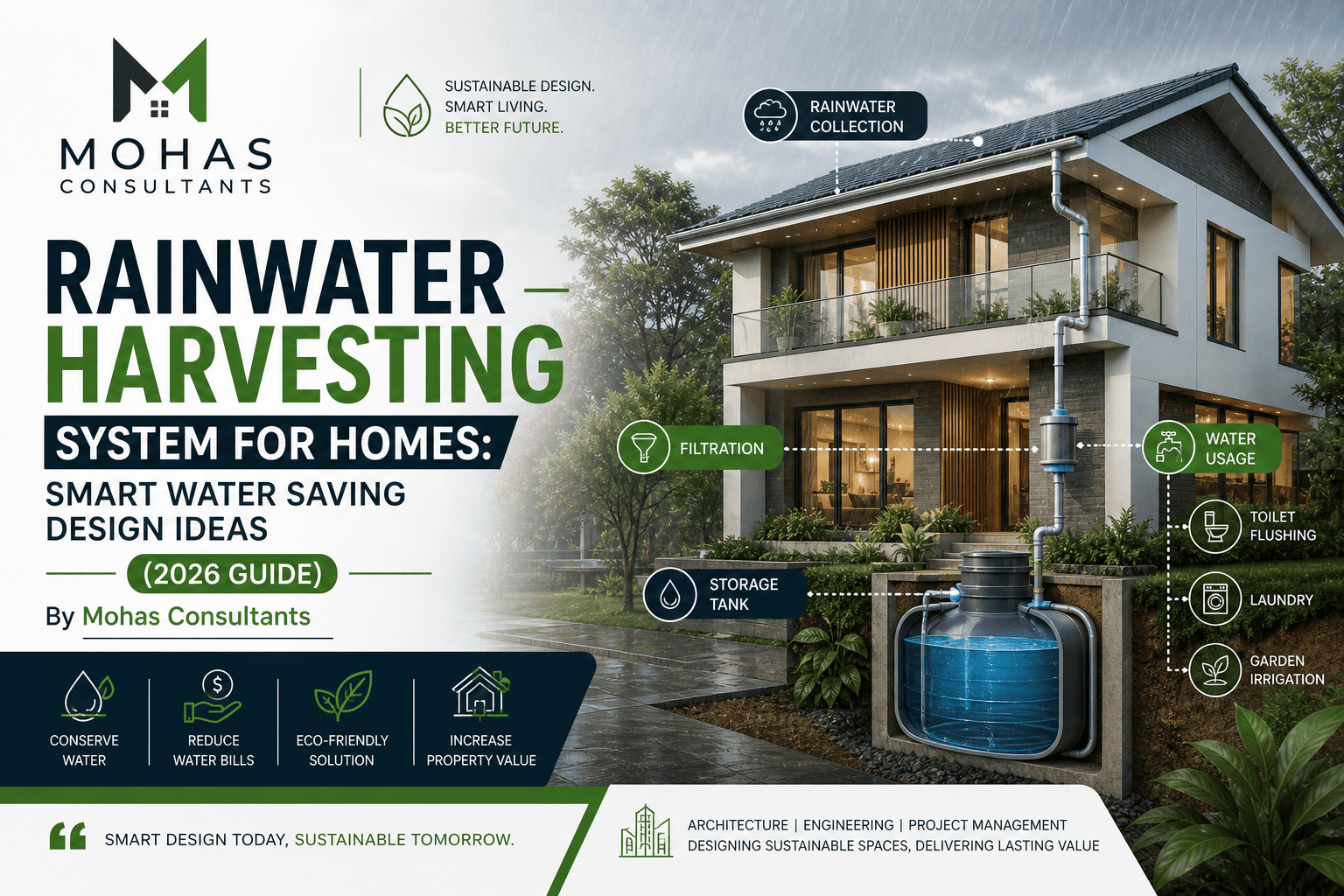
Sustainable & Green Architecture
Rainwater Harvesting System for Homes: Smart Water Saving Design Ideas (2026 Guide) | Mohas Consultants
May 06, 2026
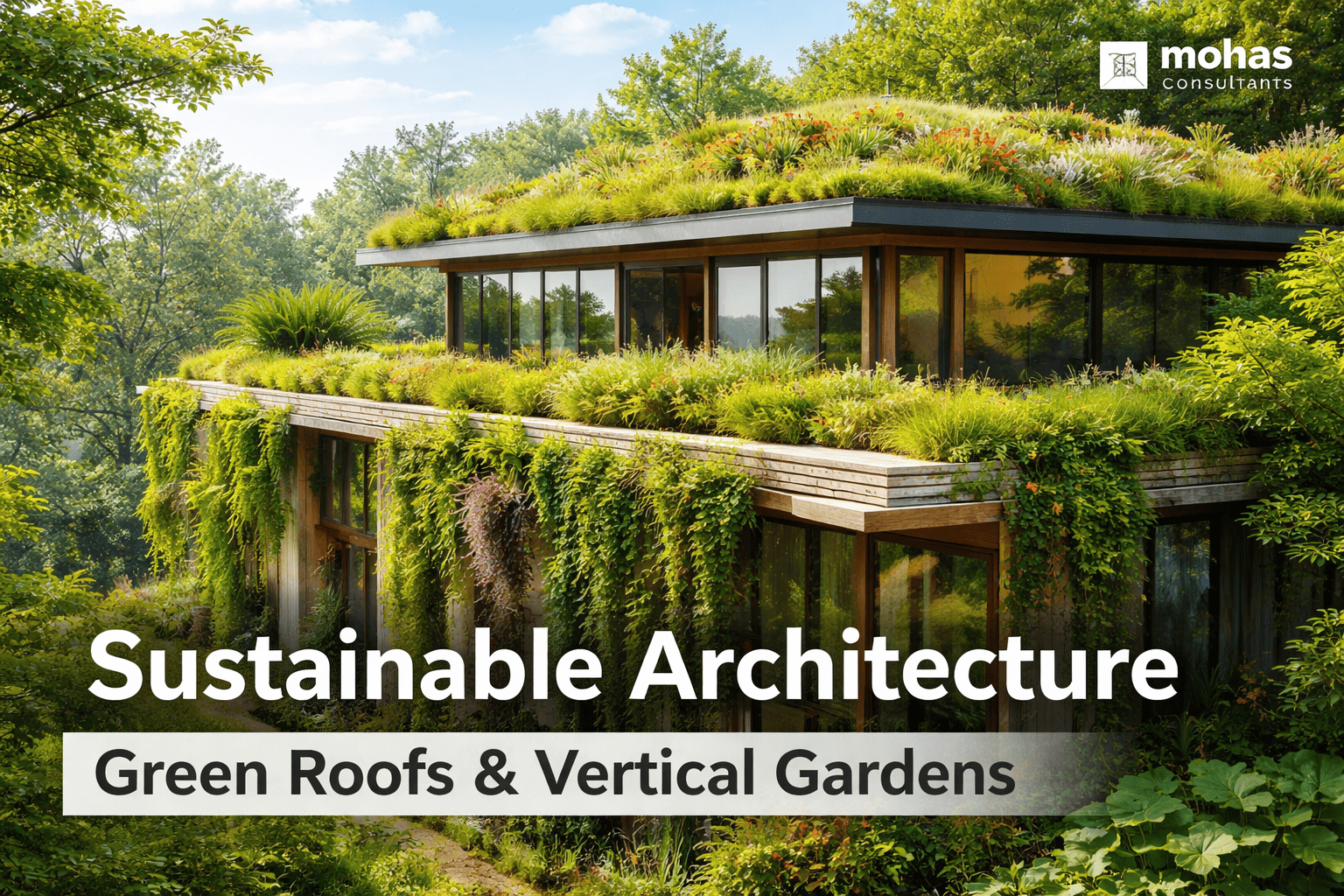
Sustainable & Green Architecture
Sustainable Architecture: Green Roofs & Vertical Gardens | Mohas Consultants
Feb 28, 2026

Sustainable & Green Architecture
Passive Cooling Techniques for Hot Climates | Mohas Consultants
Feb 12, 2026