Energy-Efficient Building Design Tips for 2026 | Mohas Consultants
Admin
Introduction
Energy efficiency is no longer an optional feature in modern architecture—it’s a necessity. Buildings consume a significant portion of global energy, and designing them efficiently not only reduces operational costs but also minimizes environmental impact.
In 2026, sustainable architecture focuses on smarter materials, innovative technologies, and thoughtful design strategies that enhance comfort while saving energy. This guide explores practical energy-efficient building design tips for architects, homeowners, and developers aiming to create high-performance, eco-friendly buildings.
1. Plan for Energy Efficiency from the Start
-
Integrate energy-saving strategies early in the design process to maximize their impact.
-
Consider building orientation to take advantage of natural light and reduce heating/cooling demands.
-
Incorporate passive design strategies, including natural ventilation, daylighting, and thermal mass, to reduce reliance on artificial systems.
2. Use Energy-Efficient Materials
-
Insulation: High-quality insulation in walls, floors, and roofs reduces heating and cooling loads.
-
Windows & Glazing: Double or triple-glazed windows maintain indoor comfort while minimizing energy loss.
-
Reflective Roofs & Cool Roofs: Reduce heat absorption, keeping buildings cooler and lowering air-conditioning demand.
-
Sustainable Materials: Recycled, low-carbon, and locally sourced materials contribute to overall energy efficiency and environmental sustainability.
3. Optimize Lighting Design
-
Maximize natural lighting with skylights, large windows, and light wells.
-
Install energy-efficient LED lighting throughout the building.
-
Use smart lighting controls, such as motion sensors and timers, to reduce unnecessary energy consumption.
4. Heating, Ventilation & Air Conditioning (HVAC) Efficiency
-
Choose energy-efficient HVAC systems tailored to the building’s size and purpose.
-
Use programmable thermostats and zoning systems to manage energy use effectively.
-
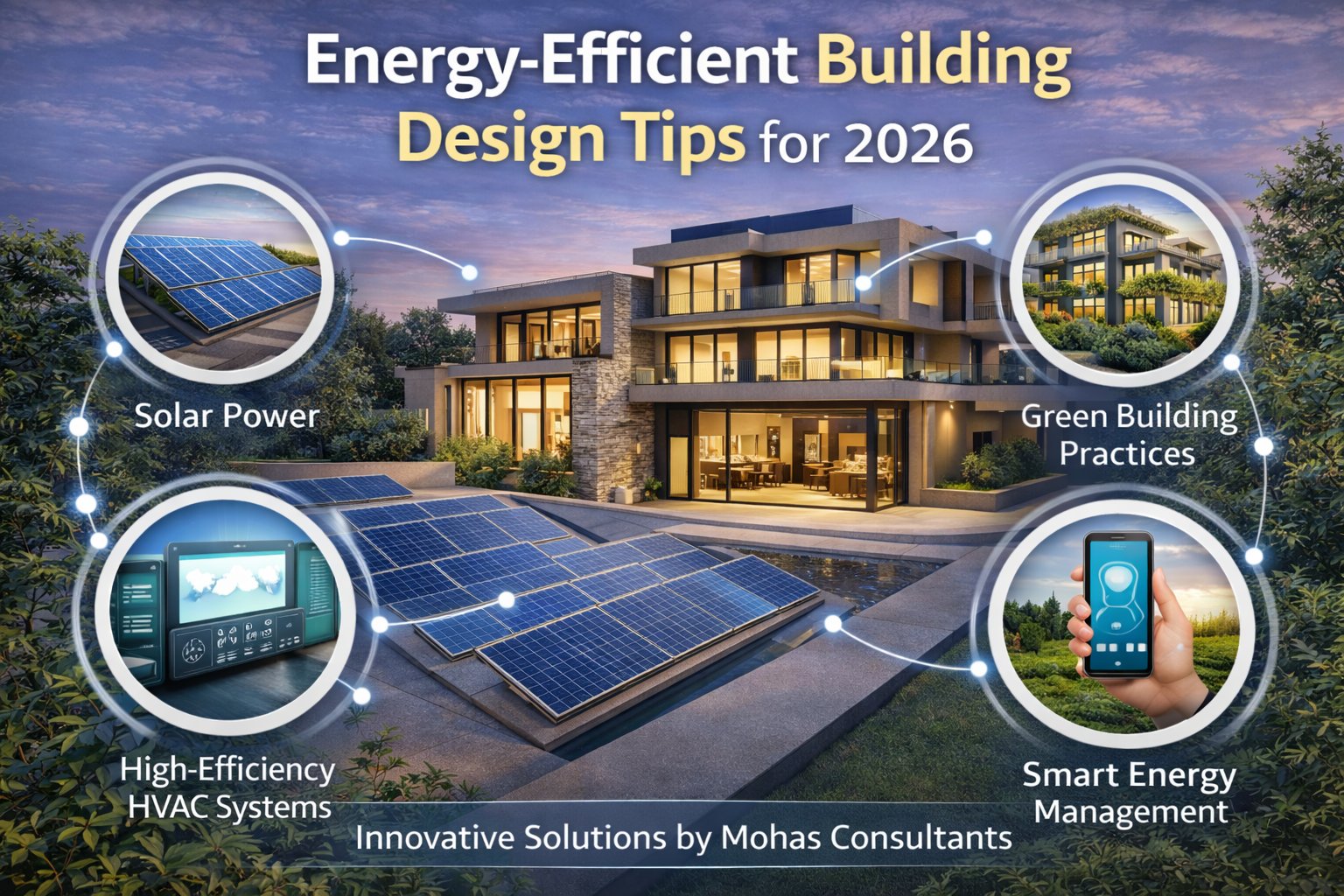
Consider integrating renewable energy sources such as solar panels to reduce dependency on grid electricity.
5. Water Efficiency & Sustainable Practices
-
Install low-flow faucets, showers, and dual-flush toilets to conserve water.
-
Use rainwater harvesting and greywater recycling systems for landscaping and non-potable uses.
-
Landscape with native and drought-resistant plants to reduce irrigation needs and maintenance.
6. Incorporate Renewable Energy
-
Install solar panels for electricity and water heating.
-
Explore small-scale wind turbines if suitable for your location.
-
Consider battery storage solutions for energy independence and to maximize efficiency.
7. Smart Building Technologies
-
Implement energy management systems to monitor and control electricity usage.
-
Use automated shading systems to optimize daylight while reducing heat gain.
-
Integrate smart sensors for lighting, HVAC, and appliances to minimize wasted energy.
8. Common Mistakes to Avoid
-
Delaying energy-efficiency strategies until after construction rather than integrating them during design.
-
Using low-quality insulation or non-durable materials.
-
Ignoring local climate and building orientation.
-
Neglecting maintenance of energy-efficient systems, which reduces their long-term effectiveness.
Conclusion
Energy-efficient building design is essential for creating sustainable, cost-effective, and environmentally responsible architecture in 2026. By combining smart materials, renewable energy, and innovative technologies, architects and developers can design buildings that are comfortable, visually appealing, and energy-saving.
Call-to-Action (CTA):
"Looking to design an energy-efficient building in 2026? Contact Mohas Consultants today for expert guidance on sustainable architecture projects and smart design solutions."
Related Articles
Sustainable & Green Architecture
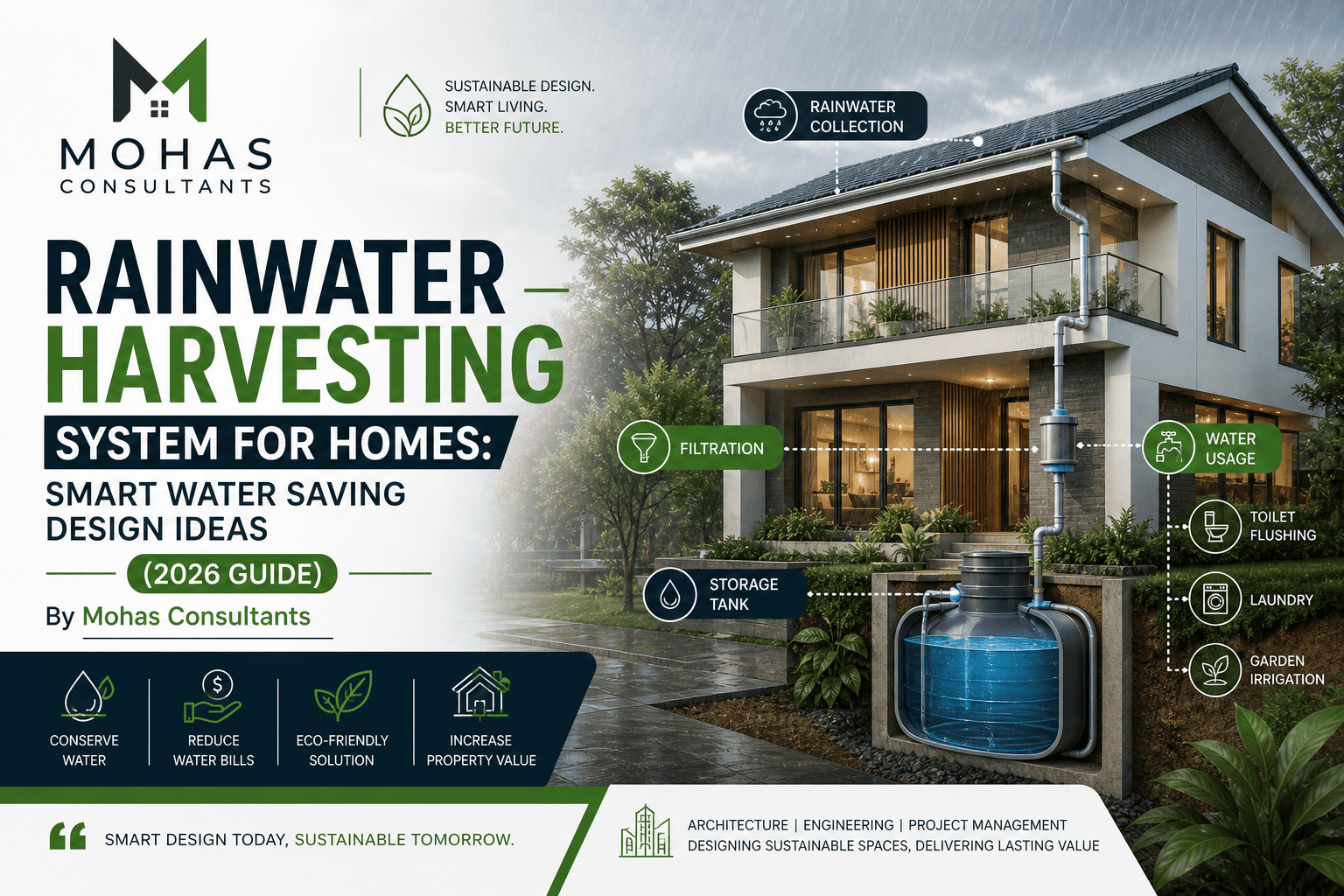
Rainwater Harvesting System for Homes: Smart Water Saving Design Ideas (2026 Guide) | Mohas Consultants
May 06, 2026
Sustainable & Green Architecture
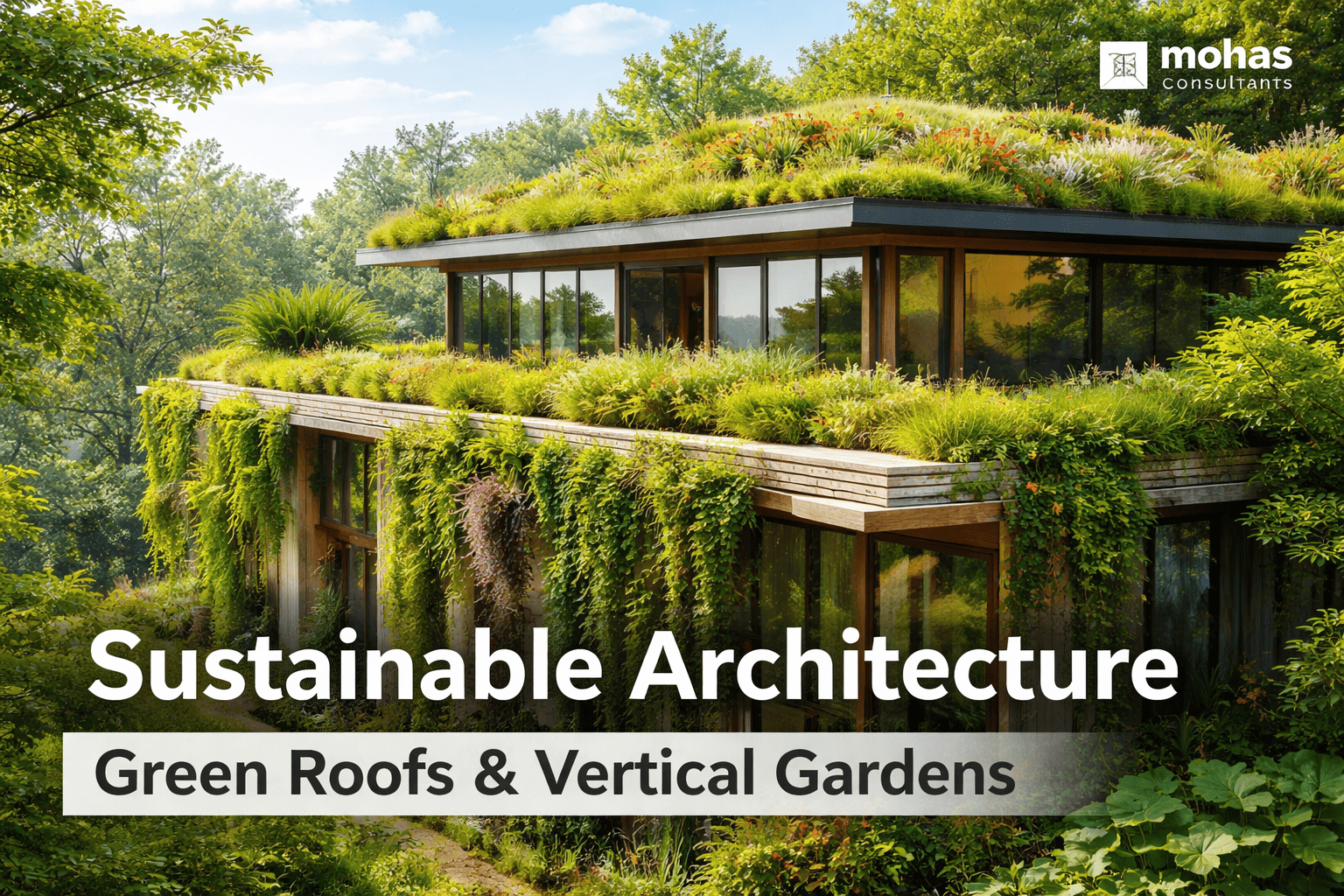
Sustainable Architecture: Green Roofs & Vertical Gardens | Mohas Consultants
Feb 28, 2026
Sustainable & Green Architecture
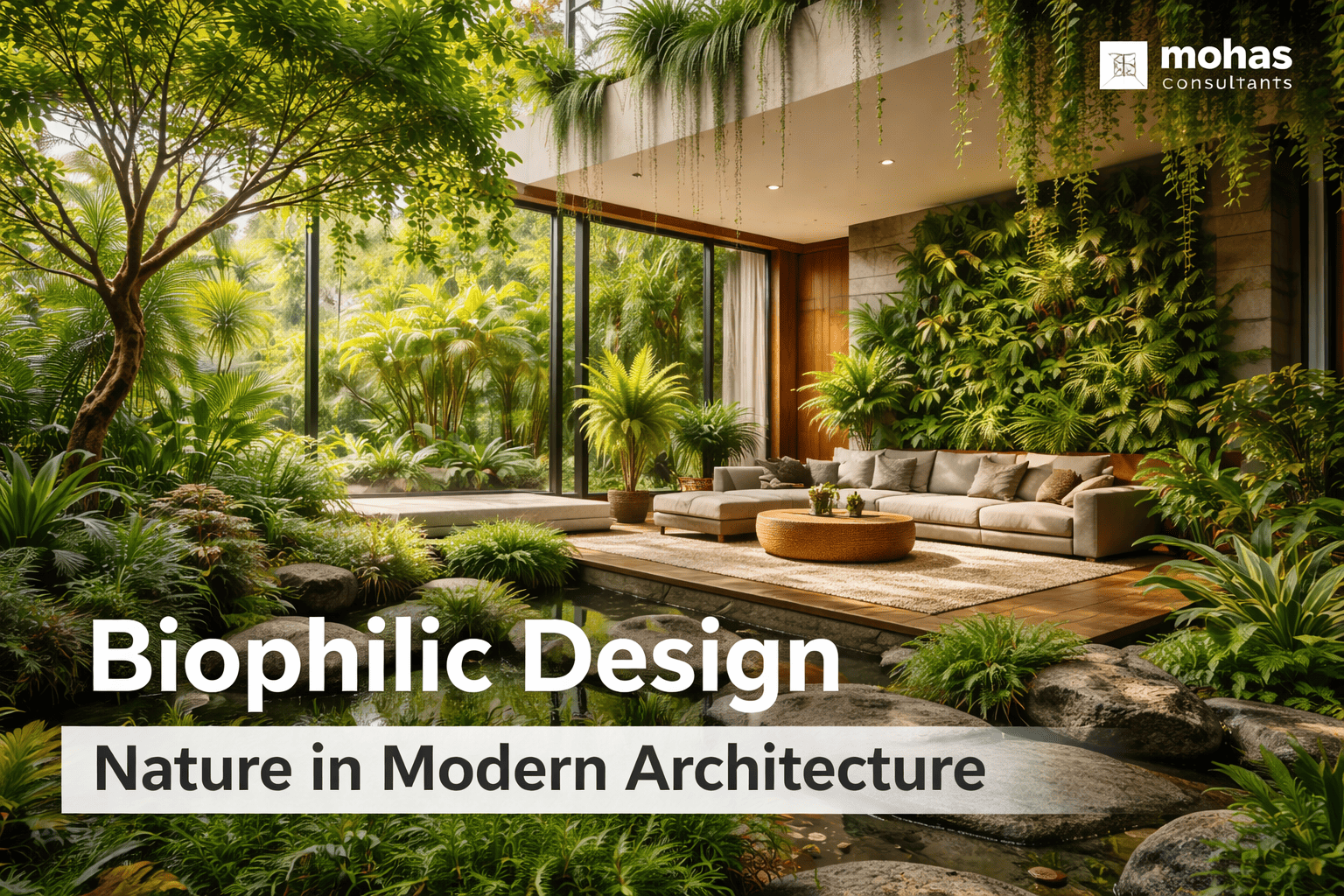
Biophilic Design: Nature in Modern Architecture | Mohas Consultants
Feb 28, 2026